
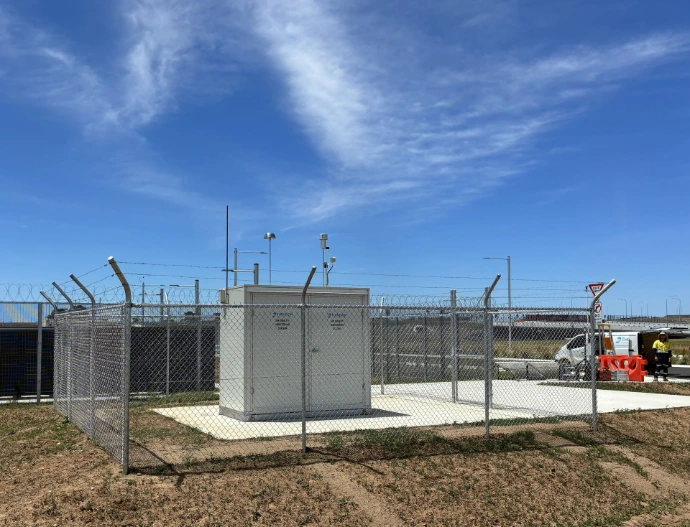
Ambient monitoring equipment helps you take accurate readings of the quality of the air outside. At TES, we supply equipment that measures important air pollutants like particulate matter (PM₁₀, PM₂.₅), nitrogen oxides (NOₓ), ozone (O₃), sulphur dioxide (SO₂), carbon monoxide (CO), volatile organic compounds (VOCs) and more.
Our range includes US EPA, EU and Australian compliant reference stations for regulatory-grade monitoring, ensuring accuracy in line with global and local standards.
Ambient monitoring is important to local authorities, regulatory bodies and industrial operators seeking to monitor air quality levels and protect public health. TES offers both fixed and portable stations, offering flexibility for urban, industrial and remote site deployments.
Types of Ambient Monitoring
Ambient monitoring instruments are critical for assessing pollutant levels, supporting compliance with air quality standards and informing public health and environmental policy. Here are the main types of ambient monitoring equipment:
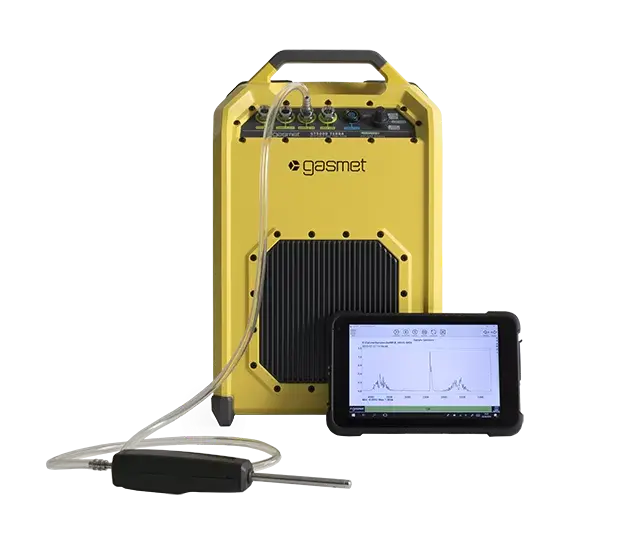
Gas Analysers
To ensure accurate, real-time air quality monitoring, ambient gas analysers measure pollutants like NOₓ, O₃, SO₂, CO, CO₂, NH₃, H2S and VOCs, using technologies such as chemiluminescence, UV fluorescence and NDIR.
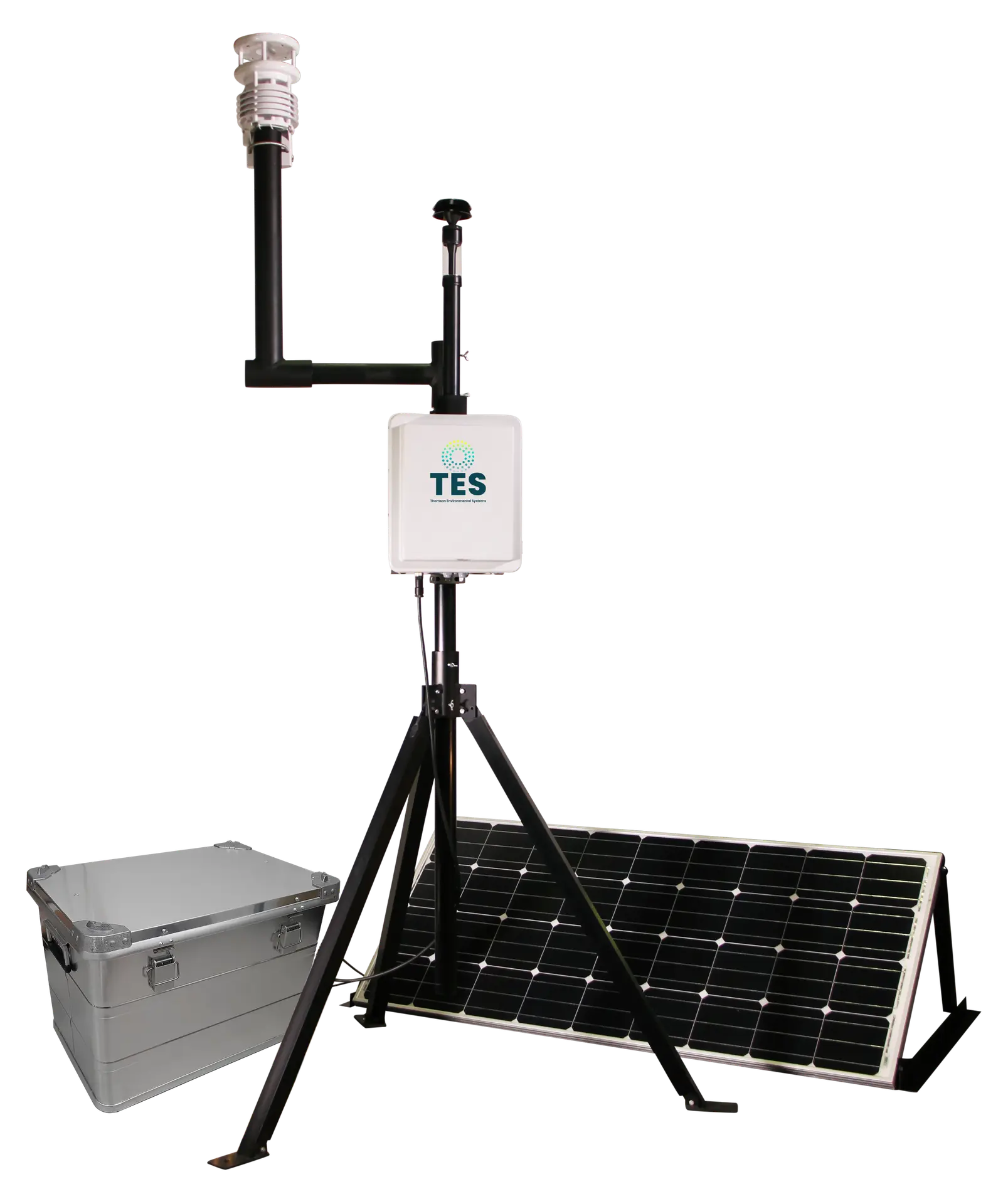
Particulate Monitors
Using technologies like beta attenuation (BAM), gravimetric sampling and Optical PM monitors, these instruments assess airborne particle levels and support air quality compliance, particulate monitors measure PM₁₀, PM₂.₅, TSP and 32 heavy metals such as Pb.
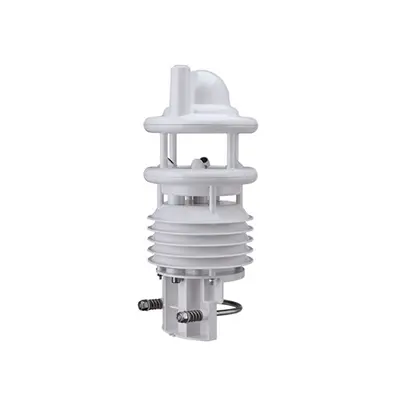
Meteorological Sensors
Meteorological sensors measure temperature, wind speed and direction, humidity, pressure, solar radiation and rainfall. In ambient monitoring stations, they allow for accurate analysis of environmental parameters that control pollutant dispersion and air quality.
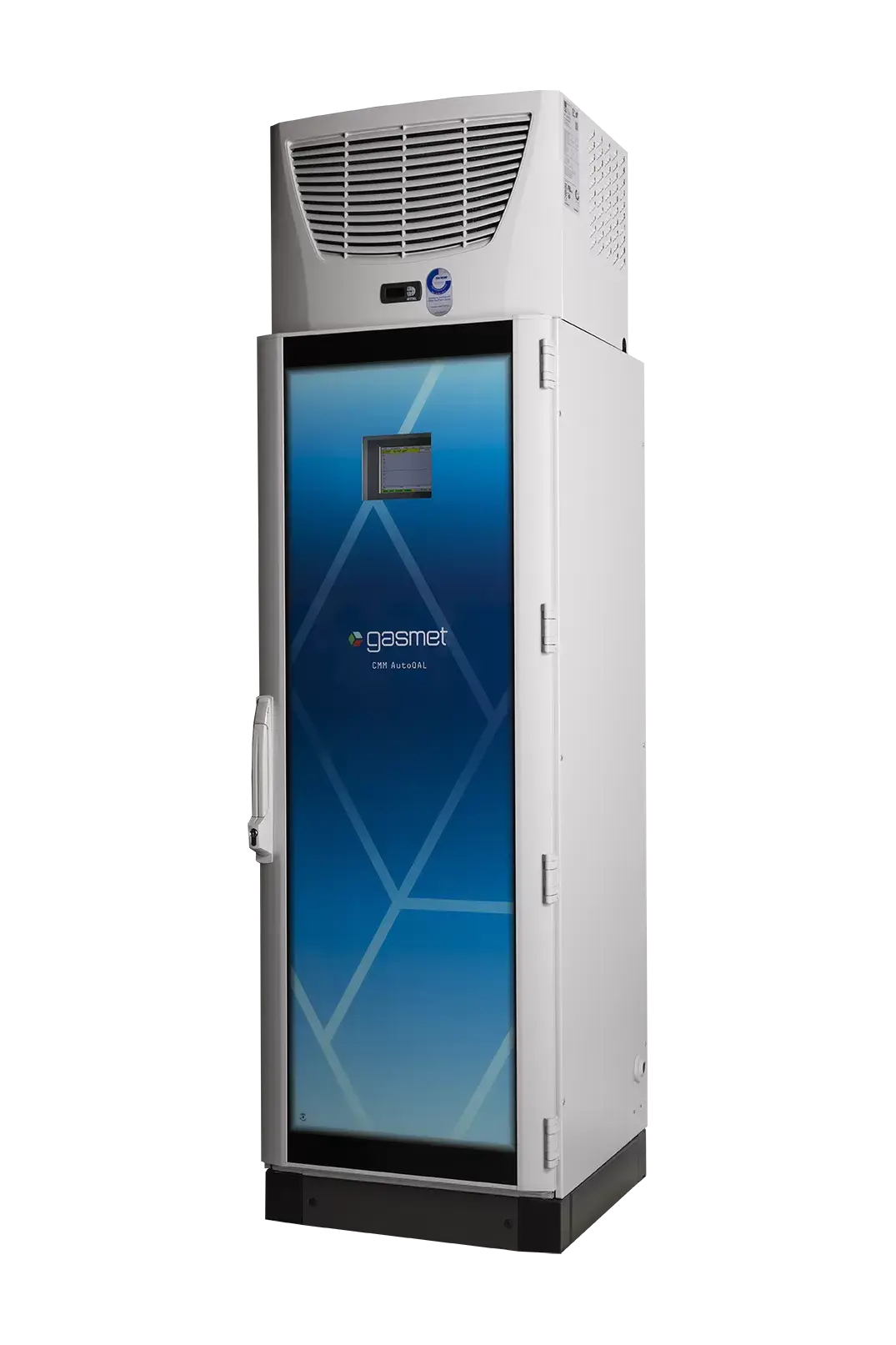
Air Toxics and Trace Gas Analysers
Pollutants at low concentrations and air toxics like BTEX, formaldehyde and mercury vapour are analysed, usually with the help of gas chromatographs, FTIR or spectroscopy, to provide accurate, real-time ambient air analysis.
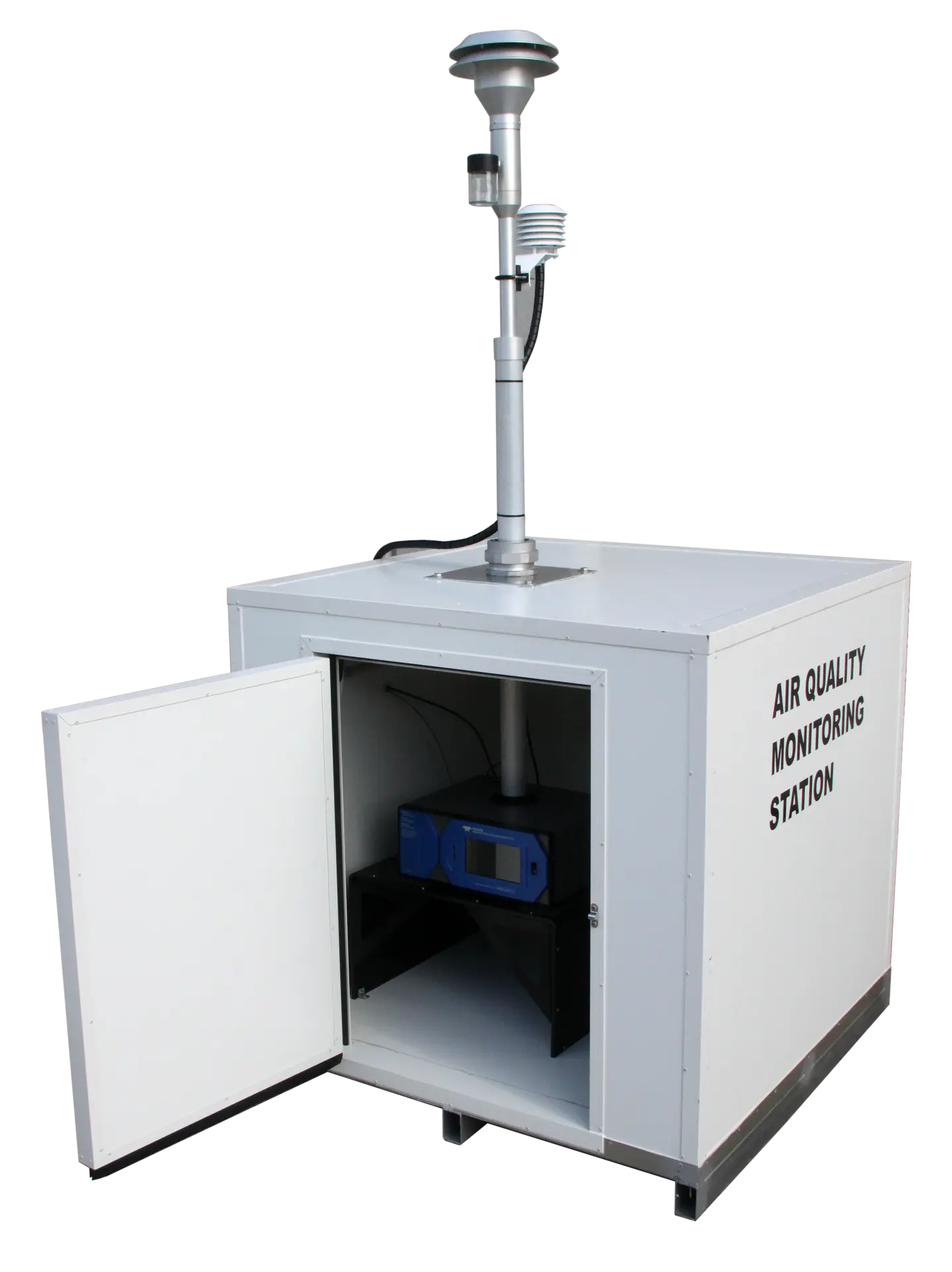
Air Quality Monitoring Stations
These walk-in, reach-in, trailer- or vehicle-mounted systems enable temporary or targeted air quality monitoring. Equipped with gas and particulate analysers, meteorological sensors and telemetry, they’re ideal for short-term studies or emergency response.
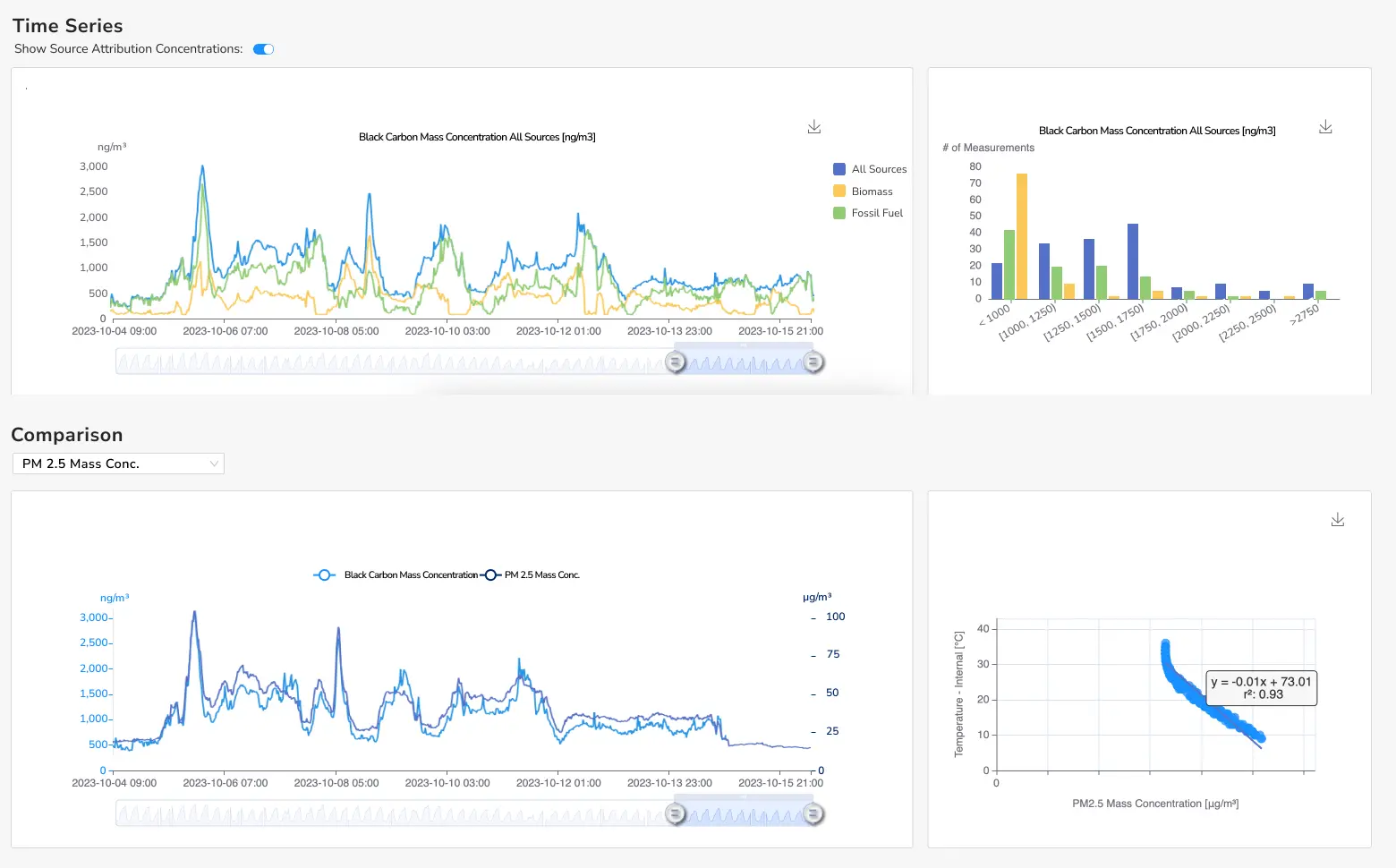
Data Acquisition and Telemetry Systems
Systems collect, integrate and present environmental data from air monitoring equipment. They feature real-time access, remote monitoring and scheduled alarms for accurate ambient air quality identification and easy reporting.
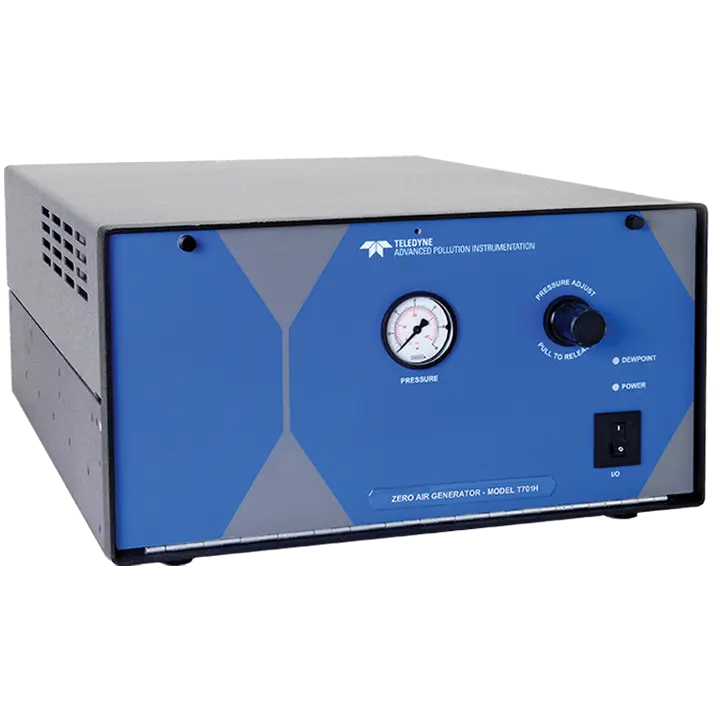
Calibrators and Zero Air Generators
Calibration tools ensure ambient monitoring accuracy. Gas calibrators deliver precise gas mixes for verification, while zero air generators produce clean, pollutant-free air for instrument baselining and reliable performance.
FEATURED EQUIPMENT
DMP 7000 by TES
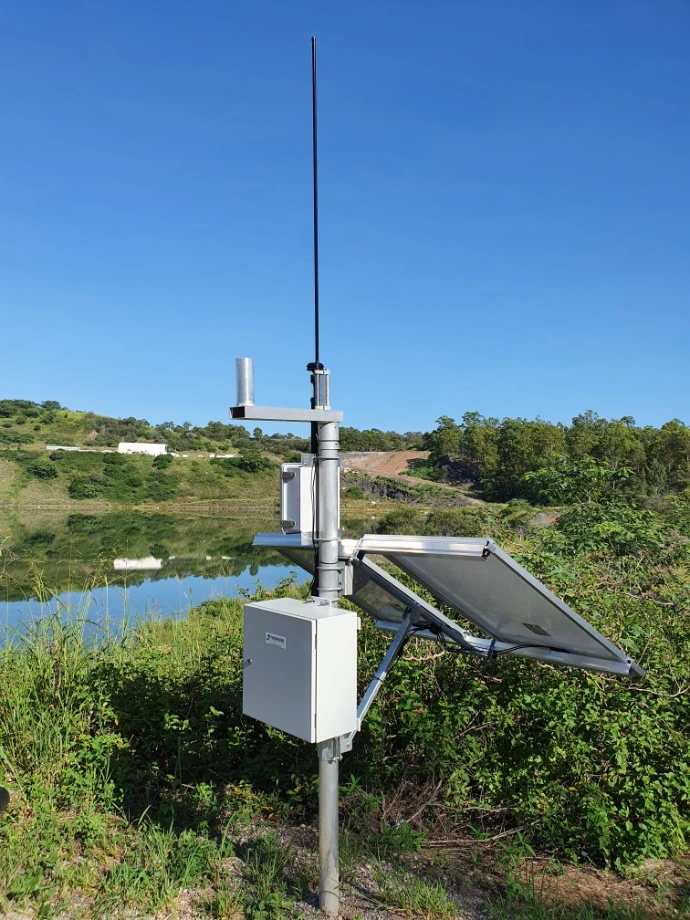
The DMP 7000 by TES is a rugged, real-time ambient dust monitor designed for harsh environments, delivering accurate, continuous PM₁₀, PM₂.₅ and TSP measurements for compliance and site monitoring.
Key Features
- Real-Time Multi-Fraction Monitoring: Monitoring provides simultaneous measurement of Total PM, PM10, PM4, PM2.5 and PM1 for complete air quality analysis
- Advanced Pump System: Gives accurate information with a consistent 5LPM flow rate and technology that reduces pulsation
- Heated Inlet and Moisture Trap: Eliminates moisture interference, preserving sample integrity
- Visual Master Pro Software: Provides remote operation capabilities, including live data viewing, data download and complete instrument control
- Flexible Power Options: Mains, battery or solar powered, enhancing deployment convenience
- Data Logging and Remote Access: Features integral data logging and remote data access via modem
- Alarm Capabilities: Configurable alarms through SMS, external siren or visual beacon for immediate notifications
Offering a rugged answer to accurate and reliable particulate monitoring under a wide range of environmental conditions, the DMP 7000 is available for sale or hire.
OFFER
Industries Suited For Ambient Monitoring Solutions

Mining and Resources

Transport and Infrastructure

Construction and Civil Works

Energy and Power Generation

Waste Management and Landfills

Manufacturing and Heavy Industry

Government and Environmental Agencies

Agriculture and Food Processing

Research and Academia

Oil and Gas

Ports and Shipping

Airports and Aviation

Urban Planning and Smart Cities

TES Knows Ambient Monitoring Equipment
From system design and integration at the outset through calibration, data management and after-sales service, TES delivers end-to-end solutions for collecting accurate air quality data. Our equipment is supported by a national chain of experienced technicians and calibration labs.
World-Renowned Brands
TES unites world-class brands like Teledyne API, Gasmet, Tekran, Airoptic, Chromatotec, Clarity, Lufft and other renowned manufacturers. Our ambient air monitor systems are complete solutions that can be customised to meet specific regulatory and operational requirements, such as US EPA, EU and Australian reference method standards, state recommendations and international guidelines.




AQMS
Frequently Asked Questions
Ambient monitoring equipment is used to measure air pollutants in the surrounding environment, such as particulate matter (PM₁₀, PM₂.₅), ozone (O₃), nitrogen dioxide (NO₂), sulfur dioxide (SO₂) and carbon monoxide (CO). They also assess air quality and ensure compliance with regulations.
Common pollutants include PM₁₀, PM₂.₅, O₃, NO₂, CO, SO₂, VOCs (Volatile Organic Compounds) and meteorological parameters like temperature, wind speed and humidity.
Selecting the right technology for your specific stack parameters is essential to accurate, reliable monitoring. TES offers a range of proven technologies and will engineer your AQMS to your site requirements, maximising uptime and minimising maintenance.
Portable systems are ideal for mobile or short-term monitoring, while fixed stations offer long-term, high-accuracy data logging for compliance and continuous evaluation.
Regulatory-grade monitors (e.g., FEM/FRM certified) are extremely accurate and meet compliance regulations. Lower-cost alternatives exist for indicative monitoring or community-based air quality awareness.
Ambient monitoring measures pollution in the open air to assess general environmental exposure. Source monitoring (like CEMS) measures emissions directly from stacks or industrial processes.
Yes. They need regular calibration for accurate data and are typically done with certified gases or reference devices. Maintenance intervals will depend on the device type and operating conditions.
Let’s Find Your Monitoring Solution
At Thomson Environmental Systems, we believe reliable equipment is the backbone of confident decision-making. We’re committed to providing high-quality solutions that work — so you can too. Talk to us today.